
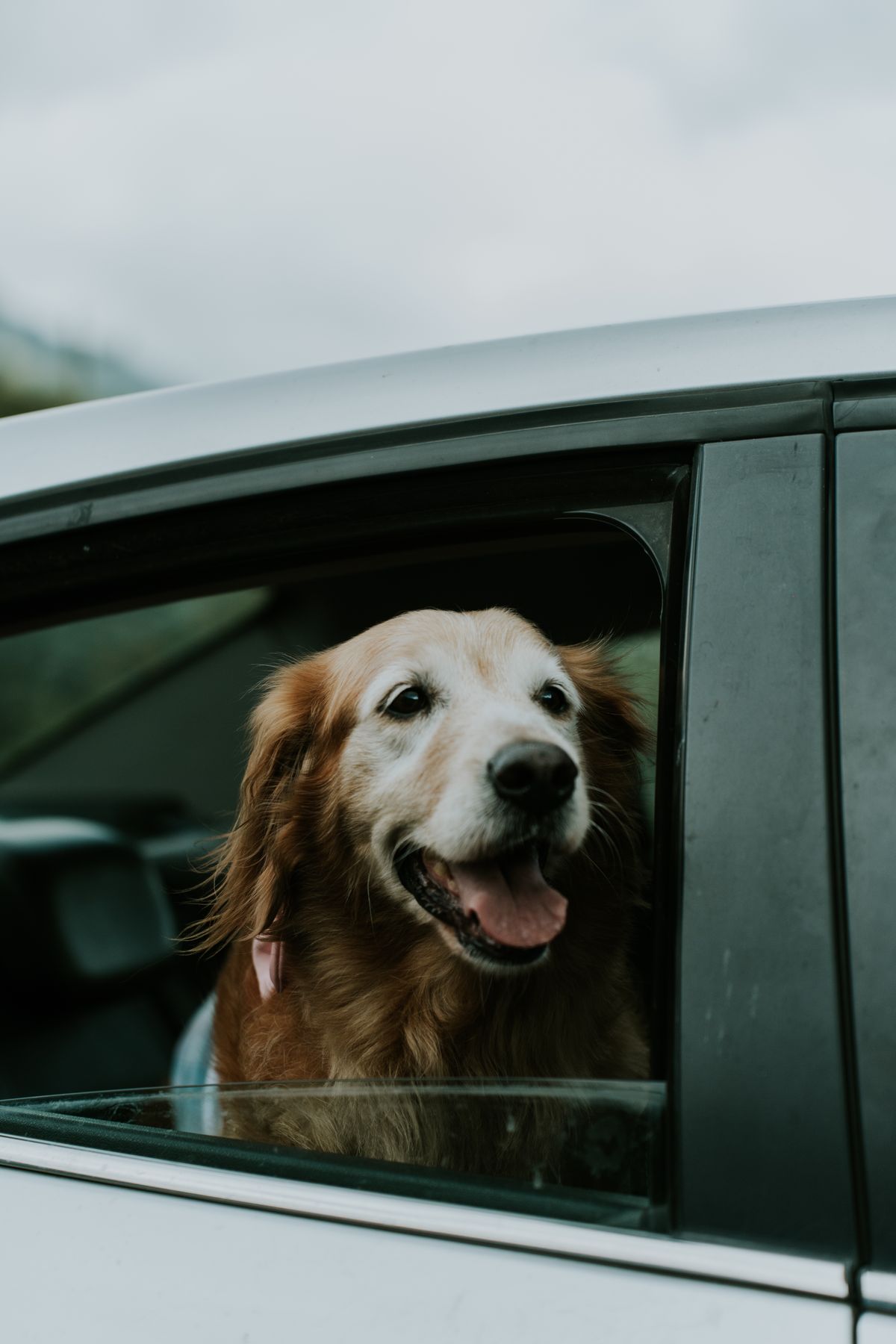
Travelling with your dog or cat from Nanaimo, whether by ferry, car, or plane, goes more smoothly with a little preparation. Make sure identification is current, pack food and records, and talk to your veterinarian early about health requirements and motion sickness. The team at Coastal City Animal Hospital can help you plan a safe trip.
Start with a visit to your veterinarian
The best first step is a check-in well before you leave. Your veterinarian can confirm your pet is healthy enough to travel, make sure vaccinations and parasite prevention are current, and discuss any destination requirements. Some trips, especially by air or across borders, need specific paperwork or a health certificate prepared within a set window, so starting early matters. Our pet travel services are designed to help Island families get ready without a last-minute scramble.
Identification comes first
Travel is exactly when pets are most likely to slip away, in an unfamiliar parking lot, a busy terminal, or a new backyard. Before you go, confirm your pet wears a collar with an up-to-date ID tag and that any microchip is registered to your current phone number. A recent photo on your phone also helps if you ever need to show others what your pet looks like.
Car and ferry travel tips
For drives and BC Ferries sailings, a secured carrier or a pet seatbelt keeps your pet safe and calm, and a familiar blanket helps them settle. Plan stops for water and bathroom breaks on longer drives, and never leave your pet alone in a parked vehicle on a warm day, since temperatures climb fast and heatstroke can develop within minutes. On the ferry, check the current policy for pets and keep yours leashed or crated on the pet-friendly areas of the vehicle deck or designated spaces.
Air travel and crossing borders
Flying takes the most planning. Airlines have their own rules about carriers, cabin versus cargo, and required documents, and crossing into another province or country can add health-certificate and vaccination requirements. Confirm the details directly with the airline and check official requirements for your destination well ahead of time. Our medical services and pet diagnostics teams can complete the exams and testing some destinations require.
Packing list and motion sickness
Pack enough of your pet’s usual food to avoid an abrupt diet change, plus bowls, a leash, waste bags, any treatments, and copies of vaccination and medical records. Bring a familiar toy or bed to make new places feel safer. If your pet gets carsick or anxious, mention it ahead of time, because there are strategies and, in some cases, products your veterinarian can recommend. Our pet care services team can help you build a checklist suited to your trip.
Coastal City Animal Hospital is locally owned by Dr. Jaskaran Mand and is registered with the College of Veterinarians of British Columbia, serving Nanaimo and central Vancouver Island.
After you arrive: helping your pet settle in
Getting there is only half the journey. When you reach your destination, set up a familiar space right away with your pet’s bed, bowls, and a favourite toy, so there is a calm corner that smells like home. Keep the first day low-key and stick to your normal feeding and walking times, since routine is reassuring for a pet in a new place.
Keep your pet leashed or secured until they know the area, because even a confident pet can bolt somewhere unfamiliar. Double-check that fences, gates, and balcony spaces are safe before letting them explore, and if your trip is a long one, find out where the nearest veterinary clinic is, just in case, so you are never caught off guard away from home.
Different trips bring different needs. A short ferry ride to visit family asks far less than a cross-country flight, so match your preparation to the journey. Whatever the trip, building in a little extra time and a familiar routine turns travel from a source of stress into just another adventure you share with your pet.
Frequently asked questions
How far ahead should I prepare for pet travel?
Start at least a few weeks out, and sooner for air travel or international trips, since health certificates and certain tests must be done within specific timeframes. Your veterinarian can map the timeline.
Can I sedate my pet for travel?
Sedation is not right for every pet and can carry risks, especially during flights. Talk to your veterinarian about safer calming options and whether any treatment is appropriate for your pet.
What documents should I carry?
Bring vaccination records, any required health certificate, and your microchip and registry details. Keep copies on your phone as a backup in case originals are misplaced.
Is it safe to leave my pet in the car during a quick stop?
No. On a warm day a parked car heats up dangerously fast, and heatstroke can occur within minutes. Take your pet with you or have someone stay with them.
Can my pet travel if they have a health condition?
Often yes, with planning. Pets with conditions such as heart disease, breathing problems, or anxiety may need extra precautions or may travel better by certain methods than others. Talk with your veterinarian well ahead of time so the trip can be tailored safely to your pet’s needs.
Do short ferry trips need much preparation?
Less than a long journey, but a few basics still help: current identification, a secure carrier or seatbelt, water for warm days, and never leaving your pet alone in a parked vehicle. A familiar blanket makes the crossing calmer for an anxious pet.