
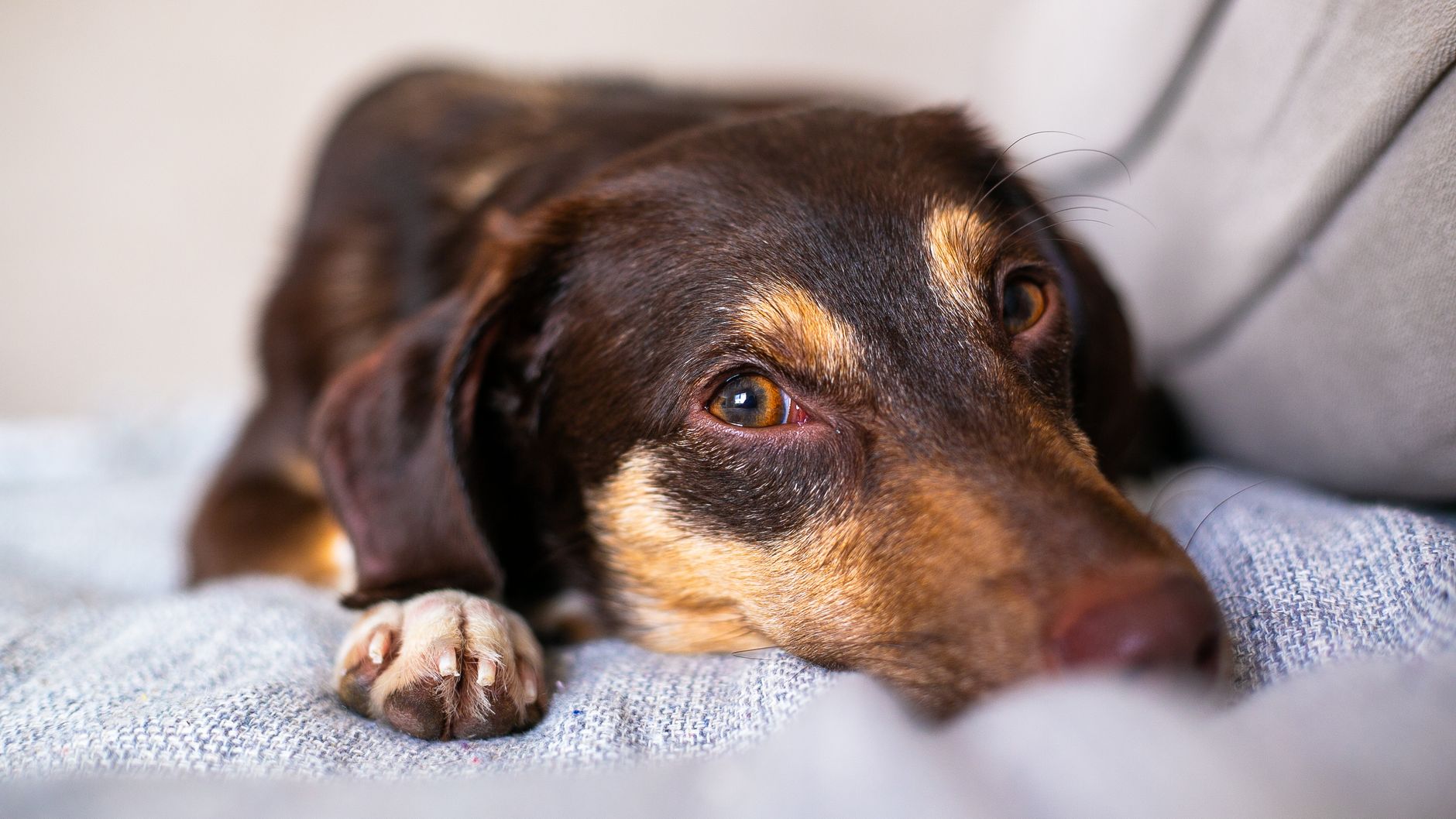
Pancreatitis is sudden inflammation of the pancreas, and in Central Nanaimo it often follows a rich, fatty meal from a barbecue, a campsite, or a holiday plate. Repeated vomiting, a hunched posture, belly pain, and appetite loss are signs that warrant a same-day veterinary exam rather than watchful waiting at home.
Why Late Summer Brings a Spike in Rich Food Cases
Late summer is the season of shared food. The August long weekend, camping trips up the Island, deck barbecues that run into the evening, and the last of the holiday leftovers all put unusually fatty food within easy reach of dogs and cats.
Some of it is offered by a well-meaning guest who thinks one piece cannot hurt. Some of it is lifted off a plate left at ankle height. Some of it comes out of a garbage bag or a cooler that nobody latched.
The pattern across Central Nanaimo and the wider Mid-Island is fairly predictable. A pet eats something far richer than their normal diet, and within hours to a couple of days they are visibly unwell. Households that host, camp, or travel with their pet through August and early September are the ones most likely to run into it, which is why this is worth thinking through before the next long weekend rather than during it.
What the Pancreas Does, and Why One Fatty Meal Can Set It Off
The pancreas is a small organ tucked in beside the stomach and the first stretch of the small intestine. It has two jobs. It makes hormones such as insulin that help regulate blood sugar, and it makes the digestive enzymes that break food down, fat in particular.
Those enzymes are supposed to stay inactive until they reach the intestine. A sudden, unusually fatty meal can push the pancreas to release far more enzyme than an ordinary day calls for. If that enzyme activates too early, it starts digesting the pancreas itself and the tissue around it. That is pancreatitis: inflammation driven by the organ’s own machinery.
The detail that surprises most owners is how little it can take. A small dog does not need a whole steak. A few pieces of fat trimmed off the barbecue, a buttered corn cob, or a handful of sausage can be a big enough departure from a normal diet to matter. Cats develop pancreatitis too, and in cats the signs tend to be quieter and much easier to miss.
The Highest Risk Offenders at a Summer Table
Not every scrap carries the same risk. The items that come up again and again are the fattiest ones:
- Fat trimmings from steak, ribs, roast, or brisket, including the pieces that quietly go under the table.
- Burger grease, drip trays, and the runoff that pools in the bottom of a barbecue.
- Sausages, hot dogs, bacon, and cured meats, which deliver a heavy load of fat and salt at once.
- Butter, cooking oils, gravy, and pan drippings poured over food or left sitting on a plate.
- Garbage raiding at home or at a campsite: bones, wrappers, grease-soaked foil, and food waste left within reach.
- Holiday leftovers handed over as a treat because it felt unfair to leave the pet out.
Bones and corn cobs deserve a separate mention. Beyond the fat that clings to them, cooked bones can splinter and cobs can lodge in the digestive tract, so a single grab from the garbage can create more than one problem at the same time.
Signs That Warrant a Same-Day Exam
Signs usually surface within a day or two of the rich meal, though the timing varies from pet to pet. Watch for:
- Repeated vomiting, especially more than once in a few hours, or retching that carries on after the stomach is empty.
- A hunched back, or the “praying” position with front legs down and hindquarters raised, which pets adopt to ease belly pain.
- Other signs of abdominal pain: tensing or crying when lifted, guarding the belly, pacing, or refusing to settle anywhere.
- Lethargy, dullness, or hiding, which is frequently the first and only obvious change in a cat.
- Loss of appetite, including turning down a favourite food.
- Diarrhea, sometimes greasy looking or unusually foul smelling.
- Drooling, a fever, weakness, or a bloated look to the abdomen.
None of these signs confirm pancreatitis on their own, and that is the point. A pet who has been into the garbage could be dealing with an obstruction, a toxin, a dietary upset, or a separate gastrointestinal condition, and several of those look identical from across the room. Sorting it out is what our same-day urgent care capacity is there for during clinic hours.
Some Pets Are More Prone Than Others
Any dog or cat can develop pancreatitis, but some carry more risk. Miniature Schnauzers, Yorkshire Terriers, Cocker Spaniels, and Miniature Poodles are reported more often than average, and terrier types show up frequently. Overweight pets, older pets, and pets already managing diabetes, Cushing’s disease, or inflammatory bowel disease are more vulnerable as well.
Certain treatments raise the risk, and a pet who has had one episode is more likely to have another. If your dog or cat is already carrying extra weight, these summer habits stack on top of an existing problem. Our post on overweight pets and safe summer exercise in Nanaimo covers the mobility side of that picture, and a proper diet review through nutritional counseling gives you a realistic plan for the rest of the year.
Mild to Life Threatening, and Not Something You Can Judge at Home
Pancreatitis spans a very wide range. Some pets have a mild, short-lived episode and recover with supportive care. Others develop a severe form that brings dehydration, low blood pressure, and complications affecting other organs, and those pets need hospitalization with intravenous fluids, pain control, and anti-nausea treatment.
In the first several hours, the mild version and the serious version can look much the same at home. Telling them apart takes a hands-on physical exam, bloodwork, and often imaging, which is where our pet diagnostics team comes in with in-house bloodwork and digital imaging. Ongoing conditions that raise the risk are managed through our broader medical services.
You may have read that the right move is to fast a vomiting pet for 24 hours and see what happens. Please do not build your plan around that. Withholding food and water from an animal who is already vomiting can speed up dehydration, it delays the exam that would identify what is actually wrong, and it does nothing at all for pain. The same caution applies to the medicine cabinet: human anti-nausea and pain products are not safe stand-ins, and several are toxic to dogs and cats. If your pet is vomiting repeatedly, phone us instead of waiting it out.
Prevention Starts With a House Rule
The most effective single step is a rule that everyone in the house follows, guests included: no table scraps, no exceptions. Announce it early, because a friendly heads-up at the door works far better than correcting someone mid-meal.
- Set out a labelled container of your pet’s own treats so the urge to share has a safe outlet.
- Keep pets out of the cooking and serving zone during a barbecue, whether that means a closed door, a crate with a chew, or a shady spot well away from the grill.
- Secure the garbage with a latching bin at home, and at a campsite store food waste and coolers exactly as the site directs, well out of nose range.
- Clear plates promptly, and never leave a drip tray, greasy foil, or bones on a low table.
- Pack your pet’s regular food for camping trips and day outings. A sudden diet change away from home is a common trigger on its own.
- If you do want to change food, make the switch gradually over several days rather than overnight.
The same forward planning that keeps a dog safe on Island beaches applies here. If your summer includes water as well as food, our guide to lake and beach safety for dogs in Nanaimo is a useful companion read before the next trip.
Frequently Asked Questions
How soon after a fatty meal would signs appear?
Most pets show signs within 12 to 72 hours of the meal. Vomiting and a drop in energy are usually first, with appetite loss and belly pain following close behind. Because the window is that wide, mention any recent scrap or garbage raid when you call, even if it was two days ago and seemed harmless at the time.
Is one small piece of fat really enough to cause a problem?
It can be, particularly in a small dog or a pet with a history of digestive trouble. The pancreas responds to the change from the usual diet, not just the total volume, so a single fatty item well outside the normal routine is enough for some pets. Size, breed, body condition, and existing health conditions all shift where that threshold sits.
Can cats get pancreatitis from summer food?
Yes, cats develop pancreatitis and their signs are typically subtler than a dog’s. Rather than dramatic vomiting, a cat may simply hide, stop eating, and seem flat or uncomfortable. Because those changes are quiet, a cat who goes off food for more than a day deserves an exam regardless of whether you saw them steal anything.
My dog is vomiting after a barbecue. What should I do right now?
Phone the clinic during our opening hours and describe what happened, and if we are closed contact the nearest emergency veterinary hospital. Do not withhold food and water as a home remedy, do not give any human medicine, and do not try to make your dog vomit. Bring any packaging or a note of what was eaten.
Can pancreatitis happen more than once?
Yes. A pet who has had one episode is at higher risk of another, and some go on to have recurring or longer-term inflammation. After a first episode, your veterinarian will usually recommend a specific feeding plan and a firm no-scraps household rule, and may suggest periodic monitoring depending on your pet’s overall health picture.
Concerned After a Barbecue Weekend?
Rather than watching the clock and hoping it settles, let our team take a look while the picture is still early. Coastal City Animal Hospital holds urgent capacity every day we are open, so call 778-441-3989 before you drive over and we can triage your pet and get the room ready. Start here: same-day urgent care in Central Nanaimo. If we are closed, go straight to the nearest emergency veterinary hospital.
Published by the team at Coastal City Animal Hospital.
This article is educational content only and is not a substitute for an in-person veterinary exam, diagnosis, or treatment. Every pet is different, and only a hands-on assessment can determine what your pet needs. If you have an urgent concern, contact Coastal City Animal Hospital during opening hours or the nearest emergency veterinary hospital at any other time.
Coastal City Animal Hospital
#105 – 1849 Dufferin Crescent, Nanaimo, BC V9S 0B1
Phone: 778-441-3989
Monday to Friday: 08:00 am to 07:00 pm
Saturday and Sunday: 09:00 am to 05:00 pm