
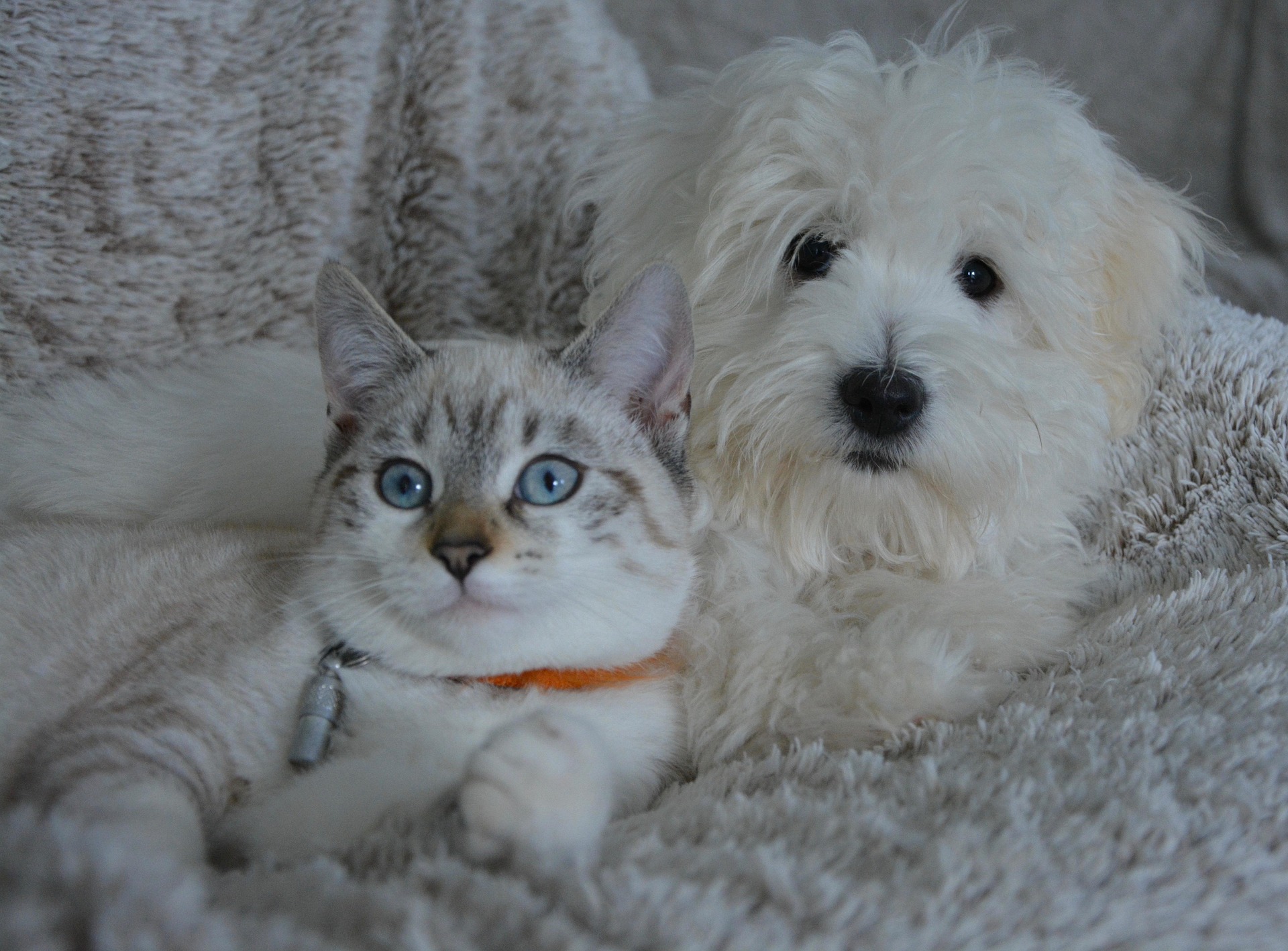
Keeping your indoor cat safe requires year-round attention in Nanaimo, especially as spring settles across Vancouver Island. Warmer days bring open windows, fresh breezes from the harbour, and increased wildlife activity near the Dufferin Crescent and Bowen Road neighbourhoods. Raccoons, deer, and even cougars roam parts of the island, creating risks that mainland cat owners rarely consider. Inside the home, seasonal plants, cleaning products, and unsecured screens add another layer of concern. This guide covers practical steps Nanaimo cat owners can take to protect their feline companions from common indoor hazards throughout the spring season.
Window and Screen Hazards in Island Homes
Spring weather on Vancouver Island brings mild temperatures and longer daylight hours, prompting many Nanaimo residents to open their windows. For indoor cats, an open or poorly secured window is one of the most serious risks in any home. Cats are naturally drawn to fresh air, moving birds, and the sounds of wildlife near Westwood Lake or the forested areas around Bowen Park. A sudden startle from a passing deer or raccoon on a windowsill can cause even a calm cat to leap or fall.
Homes near Dufferin Crescent and the Bowen Road corridor often feature ground-level and second-storey windows that cats can access easily. Standard window screens may not withstand the pressure of a cat leaning or pushing against them. Pet-rated screens, which are reinforced to handle claws and body weight, provide significantly better protection. Installing window restrictors that limit how far a window can open is another effective preventive care measure that allows airflow without putting your cat at risk.
Check all screens throughout your home before spring arrives. Look for tears, loose frames, and gaps where a determined cat could push through. Hardware stores in Nanaimo carry adjustable screen options that fit most standard window sizes found in homes across the Dufferin Crescent and north Nanaimo neighbourhoods.
Wildlife Risks and Household Toxins
Vancouver Island’s wildlife presents unique challenges for cat owners. Raccoons are common visitors to Nanaimo neighbourhoods, particularly near Westwood Lake and Colliery Dam Park. Raccoons can carry parasites and diseases that pose risks to cats, including raccoon roundworm. Keeping windows and doors secured prevents direct encounters between your indoor cat and wildlife that may wander close to your home.
Cougars and deer are also present on the island, particularly in areas bordering forested corridors near Bowen Park and the trails south of the Nanaimo Parkway. While direct encounters with indoor cats are rare, the scent and sounds of large wildlife can cause significant stress in cats. Stress-related behavioural changes, such as excessive grooming, hiding, or appetite loss, may indicate your cat is reacting to nearby wildlife activity.
Inside the home, toxic plants remain a year-round concern. Lilies, tulips, and certain fern varieties sold at Nanaimo garden centres are highly toxic to cats. Slug bait is another serious hazard in British Columbia. Metaldehyde-based slug pellets are commonly used in island gardens and can be tracked indoors on shoes or clothing. Even small amounts are dangerous to cats and dogs. If you suspect your pet has been exposed to any household toxin, contact our medical care team promptly for an assessment.
Creating a Safe and Enriching Indoor Space
A safe indoor environment goes beyond hazard removal. Cats living in Nanaimo homes benefit from enrichment that satisfies their natural instincts to climb, observe, and hunt. Cat trees, wall-mounted shelves, and secure window perches allow your cat to watch birds and squirrels near your home without any risk of escape or injury. A perch overlooking the greenery along Dufferin Crescent or the Bowen Road tree line can provide hours of quiet stimulation.
Interactive toys, puzzle feeders, and scheduled play sessions help prevent boredom and reduce stress-related behavioural concerns that are common in indoor-only cats. Rotating toys every few days keeps your cat mentally engaged. If your cat shows signs of excessive grooming, withdrawal, or appetite changes, these may signal an underlying health concern that warrants a veterinary assessment.
At Coastal City Animal Hospital, located at 105-1849 Dufferin Crescent in Nanaimo, we are open Monday through Friday from 8 a.m. to 7 p.m. and Saturday through Sunday from 9 a.m. to 5 p.m. Dr. Pannu and our team provide comprehensive wellness assessments tailored to indoor cats, including guidance on nutrition, behaviour, and seasonal safety. If you have questions about keeping your cat safe this spring, we are here to help.
Frequently Asked Questions
Q: How can I make my Nanaimo home windows safe for my indoor cat?
A: Install pet-rated window screens or adjustable window restrictors that allow airflow while preventing your cat from pushing through. Inspect screens regularly for tears or loose fittings, especially after winter storms common on Vancouver Island.
Q: Are raccoons a risk to indoor cats in Nanaimo?
A: Raccoons can carry parasites such as raccoon roundworm that may affect cats. Keeping windows and doors secured prevents direct contact. If your cat shows signs of stress or illness after wildlife activity near your home, contact Coastal City Animal Hospital at (778) 441-3989.
Q: Which common houseplants are toxic to cats?
A: Lilies, tulips, sago palms, and certain philodendron varieties are toxic to cats. Always verify plant safety before bringing flowers or greenery into your home, especially bouquets from local Nanaimo garden centres.
Q: What should I do if my cat escapes through a window or door?
A: Search your immediate neighbourhood calmly and place familiar-scented items near your door. Contact Coastal City Animal Hospital at (778) 441-3989 for guidance on microchip scanning and next steps to help locate your pet.
Q: How often should my indoor cat have a wellness assessment?
A: Indoor cats should visit the veterinarian at least once a year for a comprehensive wellness assessment. Senior cats, typically those over seven years of age, benefit from assessments every six months.
Ready to schedule a wellness visit for your indoor cat? Book an appointment online or call us at (778) 441-3989. Coastal City Animal Hospital is conveniently located at 105-1849 Dufferin Crescent in Nanaimo, open Monday through Friday from 8 a.m. to 7 p.m. and weekends from 9 a.m. to 5 p.m.
Published by the team at Coastal City Animal Hospital.
This article is for general educational purposes only and does not constitute veterinary advice. Always consult a licensed veterinarian before making decisions about your pet’s health. If you have concerns, contact Coastal City Animal Hospital at (778) 441-3989.